Raportowanie: kontrola czy wsparcie?
Rozmaite systemy i kolejne aplikacje pojawiają się w firmach regularnie. Jedne wdrożenia przechodzą niemal bez echa – po prostu trzeba się przyzwyczaić do czegoś nowego – inne budzą wiele emocji. Do tych podgrzewających atmosferę należą często aplikacje służące do raportowania bieżących zdarzeń.
Dlaczego? Bo dla menedżerów hasła „bieżących” i „w czasie rzeczywistym” brzmią obiecująco: wreszcie szybki dostęp do rzetelnych informacji, sprawniej podejmowane i trafne decyzje. Wielu pracownikom te same słowa kojarzą się jednak z nadmierną kontrolą i kolejnym, bezsensownym obowiązkiem. Nietrudno przewidzieć, że z takim nastawieniem nie będą skupiali się na jakości przekazywanych informacji i często ograniczą je do niezbędnego minimum. A słabej jakości lub niekompletne dane prowadzą wprost do błędnych decyzji.
Skąd różnica w nastawieniu?
Niezależnie od szczebla organizacyjnego, pracownicy firmy raczej chcą działać w dobrze funkcjonujących, odnoszących sukcesy strukturach. Tak możemy założyć. Niestety nie zawsze widzą związek między dumnie brzmiącym „sukcesem”, a swoją codzienną pracą – w tym aktywnością raportową.
Badania nad nadzorem w pracy pokazują, że poczucie stałej obserwacji może zwiększać stres i presję na wynik, a kwestie wpływu na zaangażowanie budzą kontrowersje (Jandl i in., 2023; Kayas, 2023). W praktyce oznacza to, że jeśli raportowanie zostanie przedstawione jako narzędzie kontroli, pracownicy będą je traktować jako zagrożenie, a nie wsparcie.
Ryzyko kontra korzyści
Badania nad akceptacją monitoringu – prowadzone między innymi w środowiskach produkcyjnych – pokazują, że pracownicy dokonują prostego bilansu: czy korzyści przewyższają koszty. Jeśli widzą w systemie wartość, np. większe bezpieczeństwo, sprawniejszy przepływ informacji czy lepsze funkcjonowanie procesów, są skłonni go zaakceptować mimo obaw o ograniczoną autonomię czy poczucie nadmiernej kontroli (Jandl i in., 2023). Jeżeli jednak dostrzegają jedynie zagrożenia i nie rozumieją, w jakim celu zbierane są dane, opór rośnie.
Dlatego tak ważne jest, by wprowadzając aplikacje raportowe pokazywać nie tylko, co i kiedy należy wpisać, ale przede wszystkim jakie korzyści niesie to dla całej organizacji i poszczególnych osób.
Raportowanie jako źródło wartości i sensu
Sama przejrzystość to za mało, aby pracownicy chcieli rzetelnie raportować. Kluczowe jest poczucie sensu: świadomość, że dane wpisywane do systemu zostaną wykorzystane w sposób, który realnie wspiera organizację i klientów.
Badania opublikowane w Journal of Vocational Behavior pokazują, że praca nabiera większego znaczenia, gdy ludzie mają poczucie autonomii i widzą, że ich działania przynoszą korzyści innym (Martela i in., 2021). To sugeruje, że gdy raportowanie zwiększa poczucie autonomii i realnego pożytku dla innych, wzmacnia sens pracy, a to z kolei sprzyja motywacji i jakości działania.
Wyobraźmy sobie pracownika sklepu, który w aplikacji raportowej zgłasza brak aktualnych materiałów promocyjnych. Jeśli wie, że ta informacja pozwoli centrali szybko uzupełnić braki, traktuje raport jako coś wartościowego – sygnał, który realnie poprawia sytuację na miejscu. Ten sam wpis może jednak budzić zupełnie inne odczucia, gdy pracownik ma poczucie, że dane posłużą np. jedynie do rozliczenia osoby odpowiedzialnej za dostarczenie materiałów. W pierwszym przypadku raportowanie daje poczucie wpływu i sensu, w drugim staje się kolejnym, zniechęcającym obowiązkiem.
Jak wdrożyć, by budować pozytywne znaczenie raportowania
O tym, jak raportowanie będzie odbierane, w dużej mierze decyduje sposób jego wdrożenia w organizacji. Kluczowa jest jasna komunikacja – pracownicy muszą wiedzieć, jakie dane są zbierane, po co i kto będzie z nich korzystał.
Badania pokazują jednak, że transparentność sama w sobie nie wystarczy. Dopiero wtedy, gdy łączy się z poczuciem, że system realnie wspiera codzienną pracę – skraca czas reakcji, usprawnia działania w terenie czy zapewnia lepsze wsparcie ze strony centrali – zmniejsza opór i buduje akceptację (Jandl i in., 2023).
Czytaj więcej Zobacz wszystkie

Algorytmiczna iluzja obiektywizmu. O subiektywnej naturze danych.
Zaufanie do raportów rośnie zazwyczaj wprost proporcjonalnie do stopnia zaawansowania technologii, która je przetwarza. To ciekawa zależność, niosąca jednak pewne ryzyko. Skupienie na możliwościach analitycznych systemów może przesłonić naturę samych danych. Zanim przybiorą one formę cyfrowego wykresu, stanowią najczęściej zapis ludzkiej interpretacji zdarzeń. Trudno zatem zakładać ich całkowitą neutralność.
Przeczytaj artykuł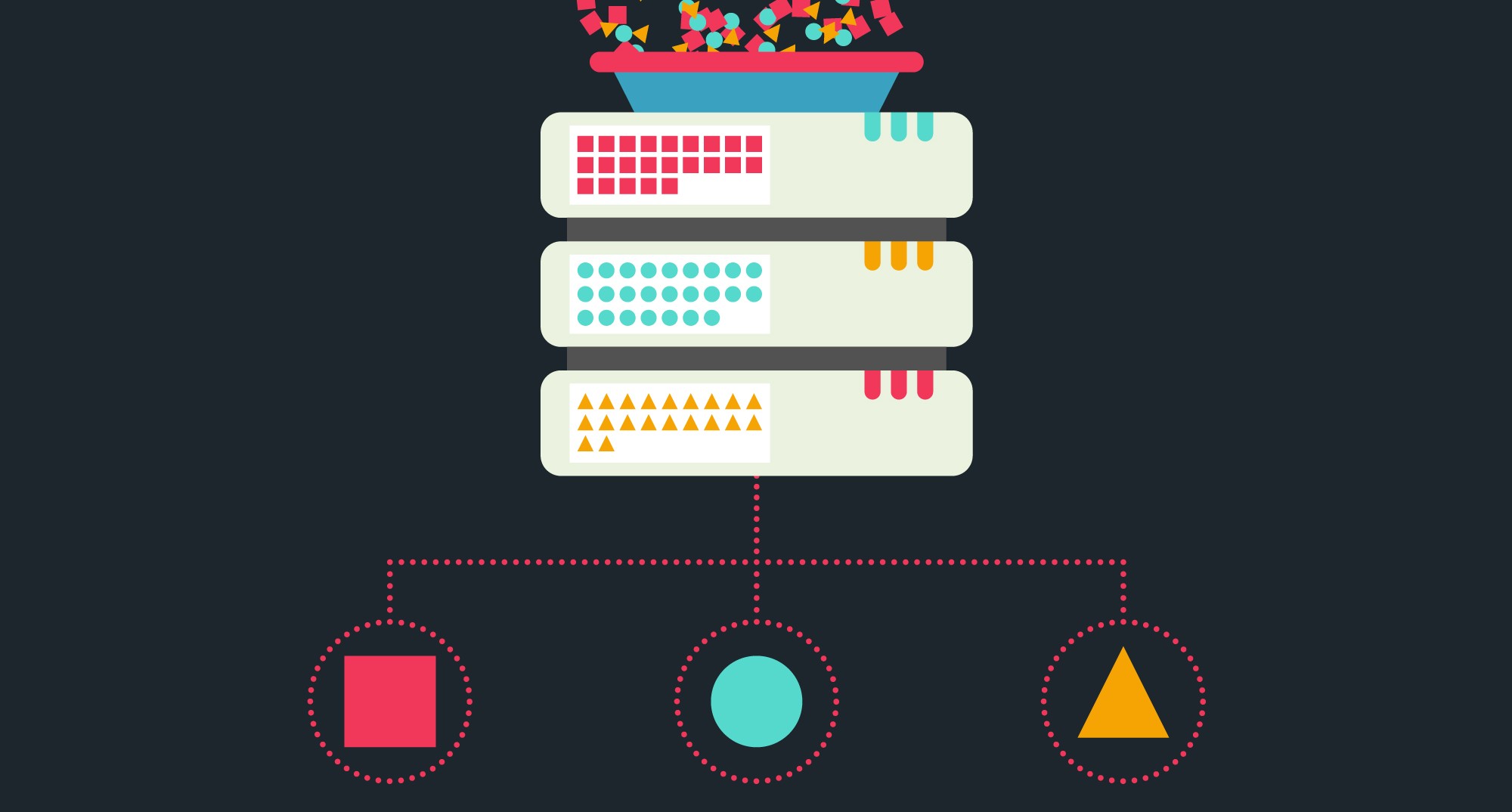
Kategorie pytań – jeszcze wygodniejsza analiza danych
Kiedy zarządzasz wieloma lokalizacjami, raport z kontroli powinien odpowiadać na proste pytania: co działa, co wymaga poprawy i gdzie dokładnie leży problem.
Przeczytaj artykuł
Zadania koszykowe – jak cHow zmienia sposób działania po audycie?
Audyt i kontrola to jedno, ale co dzieje się dalej? Często napotyka się na chaos: jedna wiadomość, Excel, później kto i kiedy miał coś poprawić. W takich sytuacjach sprawdza się mechanizm zadań koszykowych, który pozwala przenieść efektywność z etapu wykrywania problemu do jego rozwiązania.
Przeczytaj artykuł
cHow dla działów BHP
W dużych zakładach produkcyjnych czy centrach dystrybucyjnych każdy dzień to setki decyzji i obserwacji, z których wiele nigdy nie trafia do systemu – bo nie ma kiedy, gdzie, jak. Tymczasem skuteczne BHP nie opiera się wyłącznie na procedurach. Opiera się na tym, co rzeczywiście wiemy i co zrobimy z tą wiedzą.
Przeczytaj artykuł
Obserwować. Dokumentować. Reagować.
Zastosowanie cHow w agencjach ochrony. W pracy agencji ochrony wiele dzieje się poza zasięgiem wzroku. Fizyczna obecność w terenie nie zawsze idzie w parze z możliwością stałego nadzoru – szczególnie gdy zespoły patrolowe, techniczne i administracyjne działają równolegle na wielu obiektach.
Przeczytaj artykuł
cHow pomaga zapobiegać wypadkom
Zapewnij bezpieczne miejsce pracy z modułem BHP systemu cHow – narzędziem, które usprawnia zgłaszanie zagrożeń, przyspiesza reakcję na incydenty i pomaga budować kulturę bezpieczeństwa w twojej firmie.
Przeczytaj artykuł
Dane przystępnie podane
Generujemy dane z prędkością nie do wyobrażenia jeszcze kilka lat temu! Dla przedsiębiorstw kluczowe nie jest już ich zbieranie, ale błyskawiczne i skuteczne przetwarzanie. Zdolność do transformacji surowych danych w użyteczne informacje decyzyjne bezpośrednio przekłada się na efektywność działań organizacji.
Przeczytaj artykuł
Umiędzynarodowienie komunikacji - nowe wyzwanie nie tylko dla gigantów
W dzisiejszym zglobalizowanym świecie, skuteczna komunikacja w wielu językach staje się wyzwaniem nie tylko dla międzynarodowych korporacji, ale także dla firm działających lokalnie. Według danych Głównego Urzędu Statystycznego (GUS), na koniec maja 2024 roku w Polsce pracowało ponad 1,02 mln cudzoziemców, co stanowiło 6,7% ogółu zatrudnionych. Często zakłada się, że język angielski wystarczy w międzynarodowej komunikacji, jednak w praktyce, szczególnie w obszarach takich jak handel detaliczny czy usługi, znajomość lokalnego języka jest niezbędna.
Przeczytaj artykuł
Od "tak mi się wydaje" do "wiem"
Na jednym krańcu procesu - setki, tysiące drobnych informacji. Na drugim jego krańcu - decyzje, które niejednokrotnie są dla organizacji kluczowe. Niedobrze, gdy między tymi punktami brak wyraźnego związku, ale niestety tak bywa.
Przeczytaj artykuł
Kim naprawdę jest ten, który umie, zna i ma kontakty?
"Cieszę się, że mogłem go poznać i wspólnie optymalizować pracę swoją i mojego zespołu audytorów terenowych" - napisał Starszy Audytor Wewnętrzny jednego z największych dystrybutorów FMCG. O kim? O aplikacji cHow we własnej osobie!
Przeczytaj artykuł
Decyzja o wdrożeniu systemu = euforia?
Decyzja o wdrożeniu systemu to wbrew pozorom nie dla każdego Klienta moment euforii. U niektórych powoduje raczej powstanie atmosfery sceptycznego zdystansowania.
Przeczytaj artykuł
„Zdrowy Sklep” - zarządzanie siecią sprzedaży w pandemii
Dostosuj swoją sieć do nowej rzeczywistości i bądź gotowy na kolejne zmiany! Buduj z cHow „zdrowe sklepy” - sklepy, w których zarówno pracownicy jak i klienci będą czuli się bezpiecznie.
Przeczytaj artykuł
„Zarządzanie rozproszonym zespołem nie należy do łatwych zadań”
Tracisz godziny na poszukiwanie informacji w mailach i tabelach, aby zorientować się, jaka jest sytuacja w sieci sprzedaży. Po żmudnym procesie poszukiwań często okazuje się, że kluczowe z twojego punktu widzenia dane są niedostępne lub błędnie skategoryzowane.
Przeczytaj artykuł
„Raportuj zwinnie - decyduj bez zgadywania”
O tym, jak realizację tego zadania uprościć oraz na czym dokładnie polega wyzwanie, rozmawialiśmy z Dyrektorem Operacyjnym Monnari Trade, panem Piotrem Olczykiem.
Przeczytaj artykułKontakt

Zobacz demo

cHow
Królewska 2/2, 30-045 Kraków
Zaufali nam